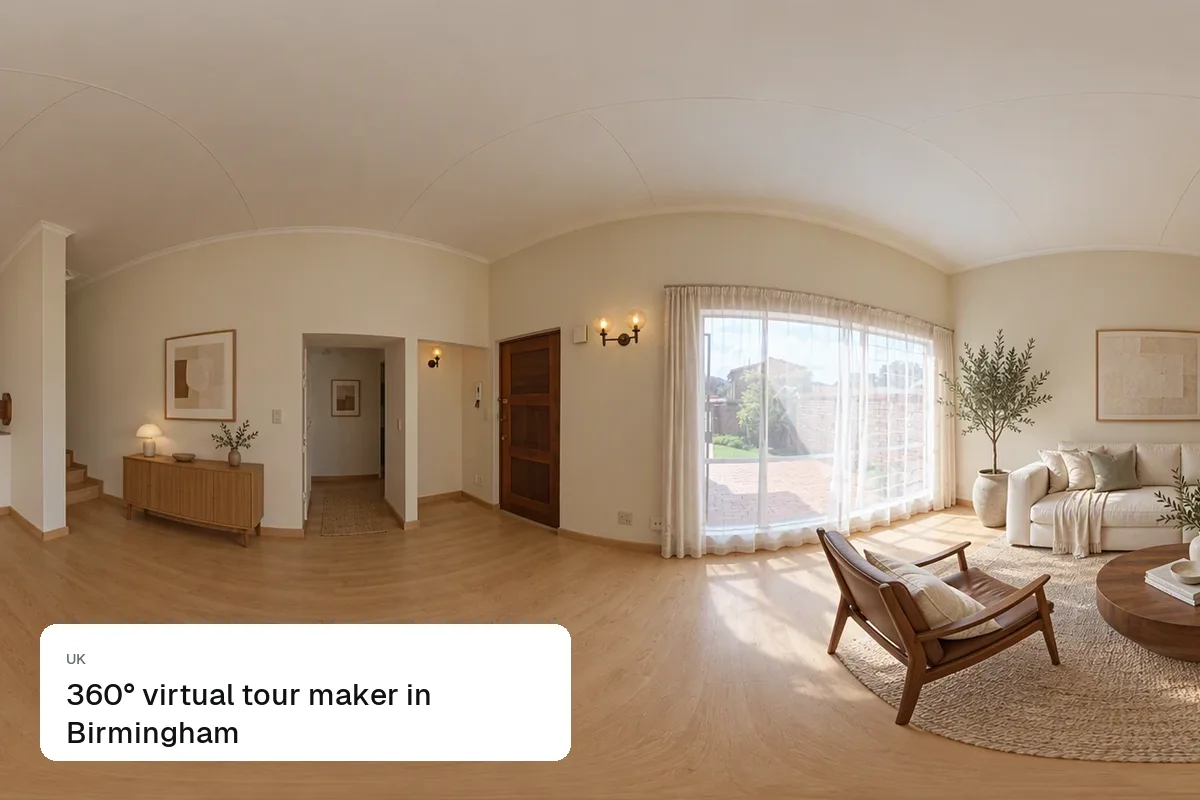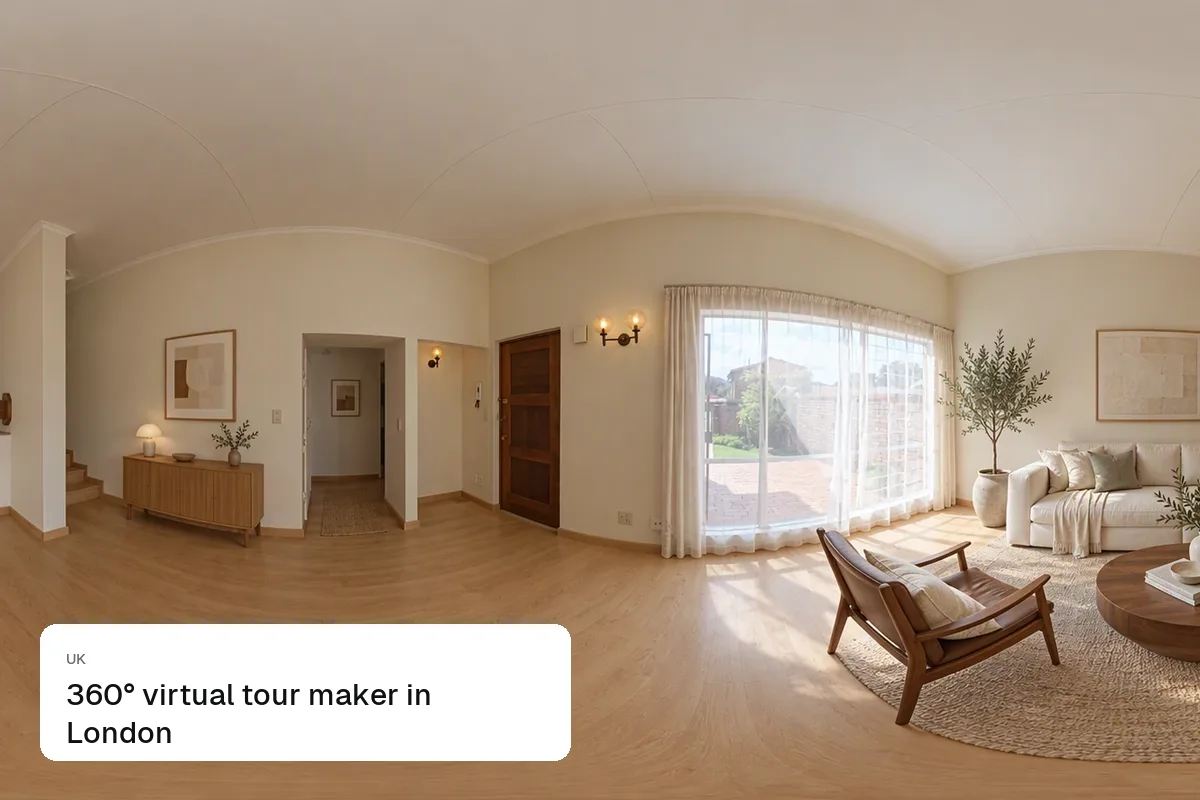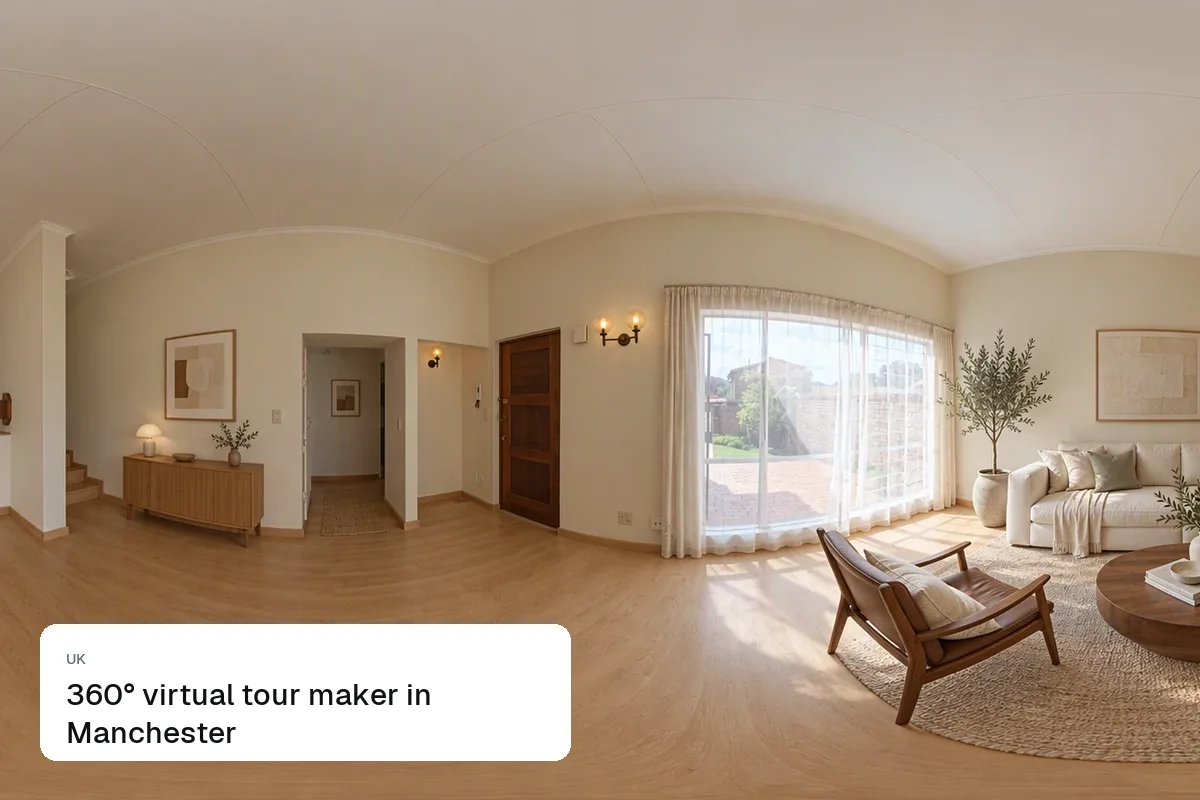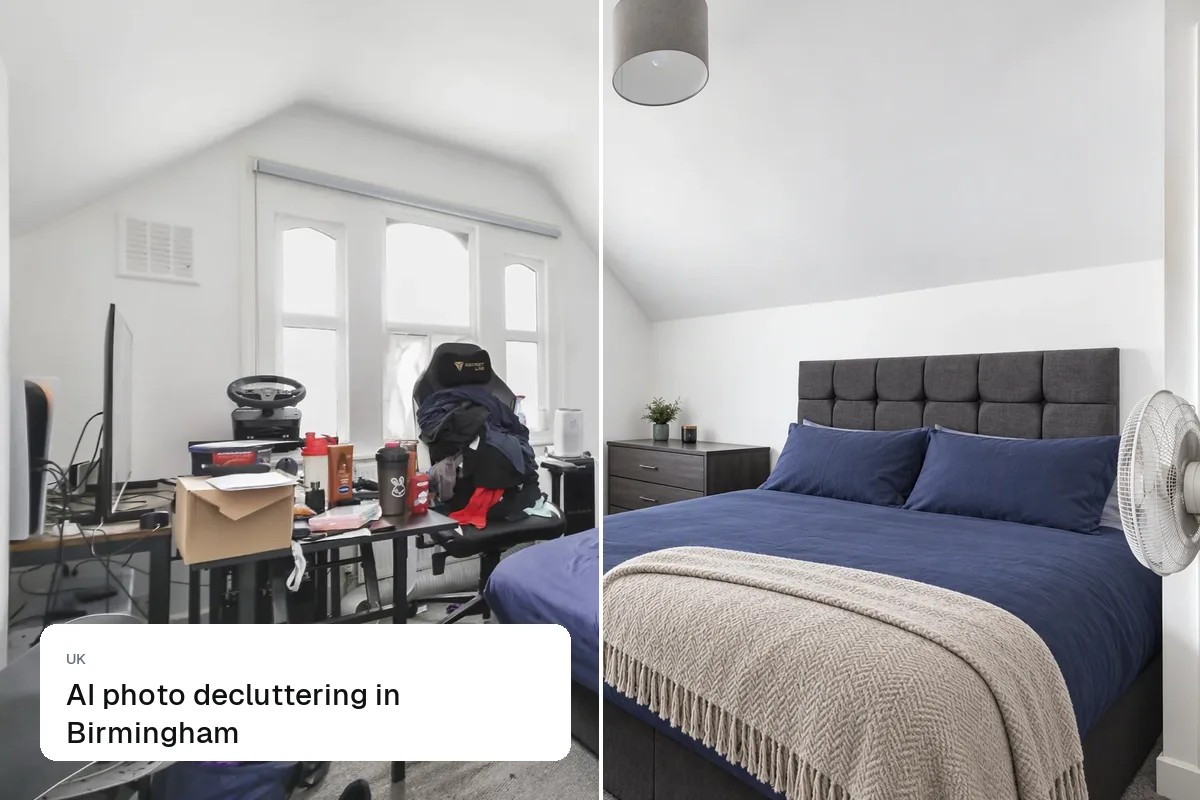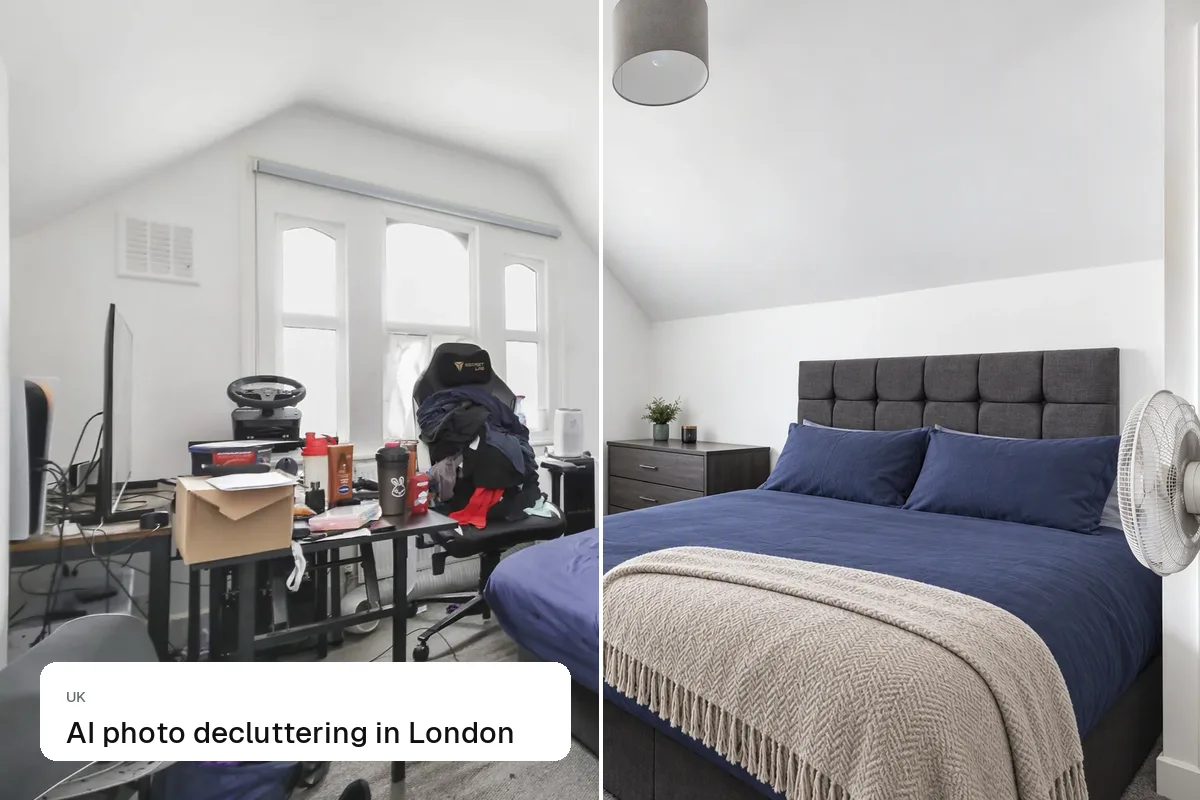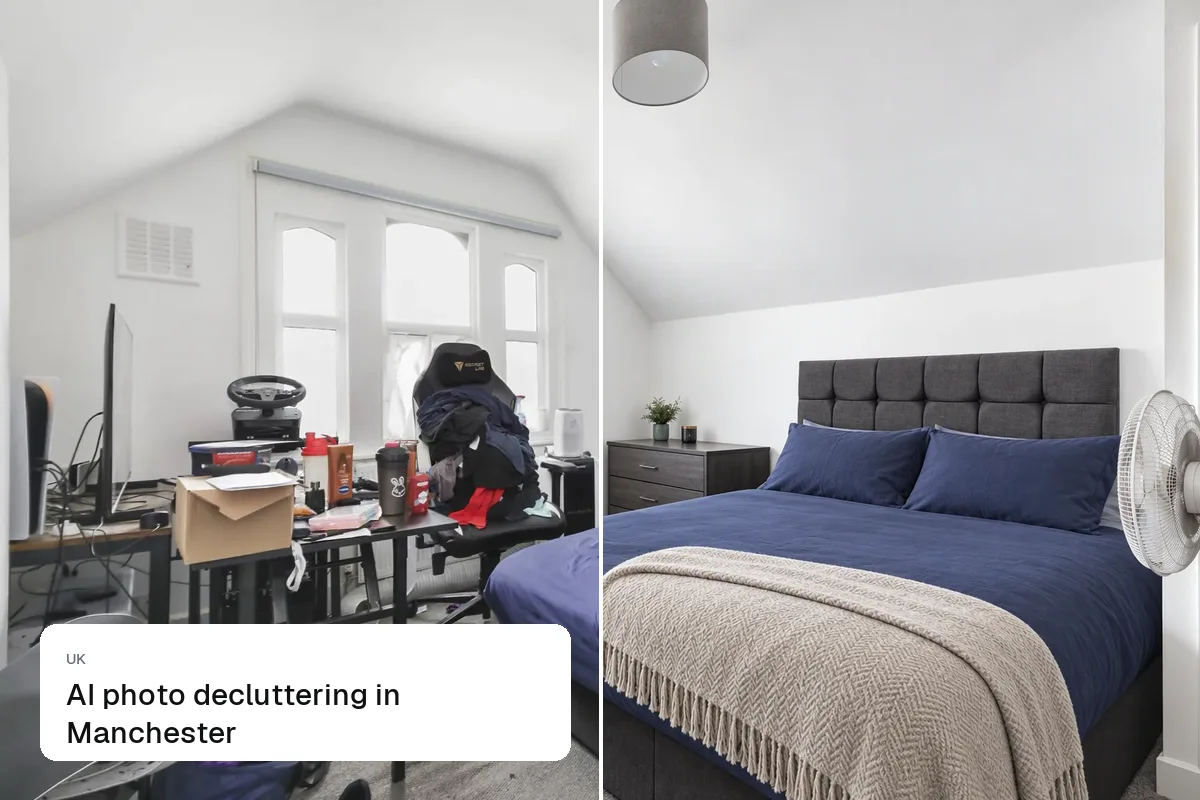
To photograph a tenanted property, give the tenant proper written notice (most tenancy agreements require at least 24 hours), agree a time, ask before you photograph their belongings, and remove anything personal in the edit. Tenants have the right to quiet enjoyment of their home, and their possessions and family photos are not yours to put on Rightmove. Handle it well and the tenant becomes an ally in the sale or relet; handle it badly and you'll get cancelled viewings.
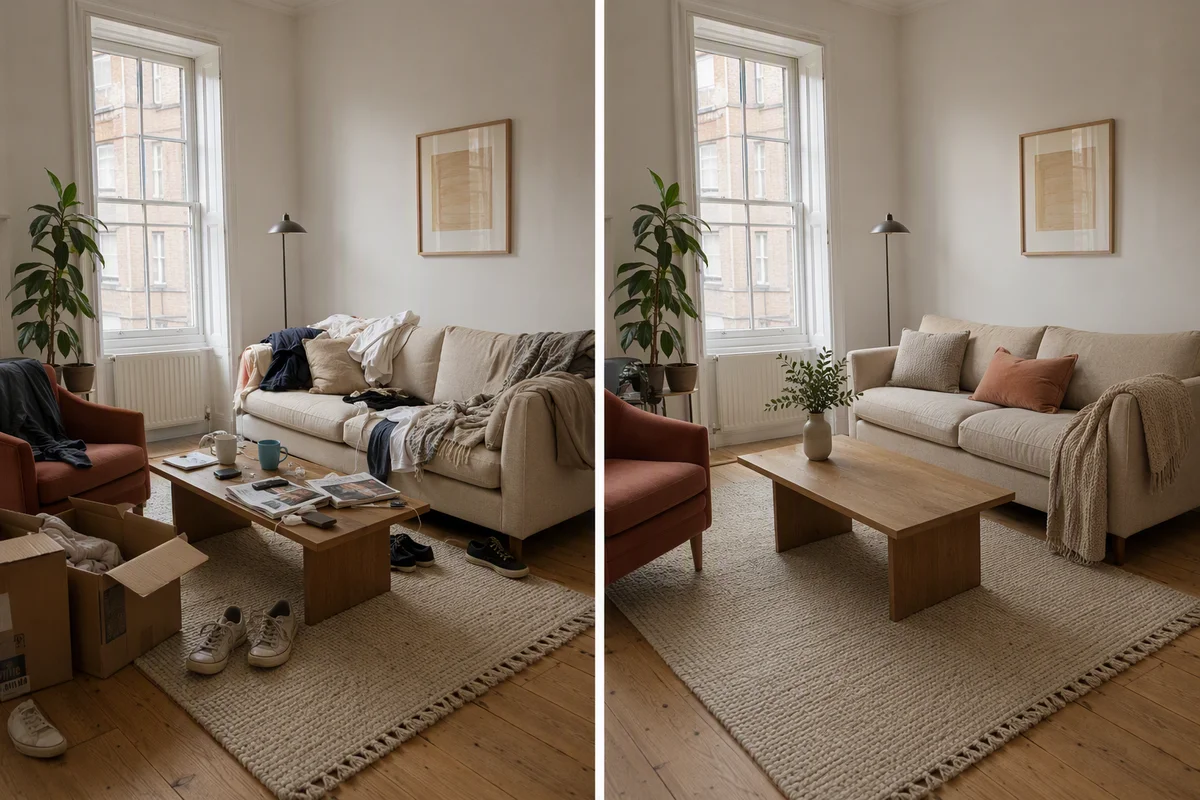 Lived-in, then decluttered
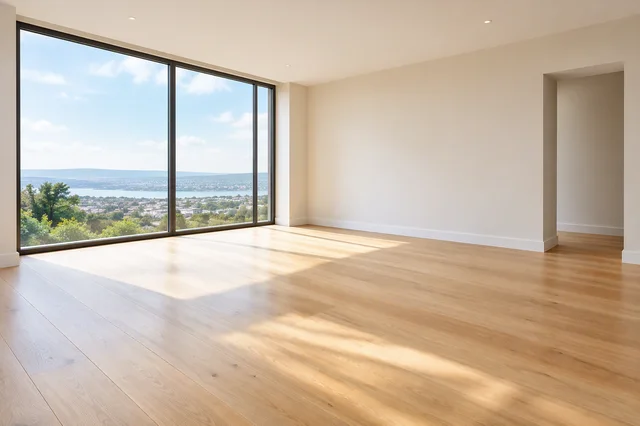 Shown empty
Before the shoot
- Written notice. Check the tenancy agreement; 24 hours' written notice is the usual minimum, and a reasonable time of day
- Explain why. Tell the tenant whether the landlord is selling or reletting, and what happens to their tenancy
- Ask consent to photograph their things. If they say no, photograph empty areas or plan to edit everything out
- Give a checklist: clear surfaces, beds made, pets away, curtains open
Privacy: what must not appear
| Remove | Why |
|---|---|
| Family photos and children's names | Personal data and safety |
| Post, documents and screens | Names, addresses, account details |
| Religious or political items | Personal and sensitive |
| Valuables, safes, alarm panels | Security: listings are public |
| The tenant | Never photograph people for a listing |
Under UK GDPR, an identifiable person's information in a public listing can be personal data. Removing it is both courteous and safer for the agency.
Selling with tenants in situ or letting with vacant possession?
- Selling to investors with the tenant staying: show the property as it is lived in, tidied, with personal items removed. Investors care about condition and rent, not styling. Put the rent and tenancy terms in the description.
- Selling with vacant possession: you can digitally empty and stage the rooms, but say the photos are edited and give the date the property will be vacant.
- Reletting: declutter the photos, or use the previous check-in photos if the property was empty then and nothing has changed.
Edit, don't reshoot
One visit is usually all a tenant will accept. Take every shot you need on that visit, then do the rest in the edit: Declutter for surfaces, Empty the room to show the space, and Furnish to stage it. See cleanup for property photos and remove furniture in London.
Questions agents ask
Can the landlord insist on photos?
The landlord can usually request access for reasonable purposes with notice, as the tenancy agreement allows. The tenant can't be forced to have their belongings photographed. Editing them out solves most disputes.
Can I use old photos from when the property was empty?
Only if they still show the property accurately. Old photos with a kitchen that has since changed would mislead buyers.
Keep exploring
Related guides: letting agent marketing in the UK, marketing a probate property, virtual staging a nursery or kids' room, Zoopla listing photos, property photography in London and move-in and move-out inspection checklist.
Put the guide into practice.
Turn your own photos into edited images and videos in minutes.
7-day free trial.