The best place to sell furniture and home decor online is usually your own store, supported by one or two channels that bring you new shoppers. Large marketplaces give you reach, but they take a commission and they keep the customer relationship. Before you choose a channel, ask two questions: who brings the traffic, and who owns the checkout?
What are the main options?
| Channel | How it works | What to weigh up |
|---|---|---|
| Your own store | You run the site, the checkout and the customer data | You have to bring every visitor yourself |
| Amazon | Open marketplace with referral fees by category | Huge reach, strong price pressure and little brand space |
| Wayfair | Approved suppliers list products, and Wayfair runs the storefront | Access is vetted, and Wayfair has a large say in pricing and presentation |
| Etsy | Listing and transaction fees, with handmade and vintage roots | Good for makers, less suited to large upholstered pieces |
| Houzz | A design-led audience of homeowners and professionals | Fits premium and trade-oriented brands |
| Splatr marketplace | Shoppers try products in a photo of their room, then buy on your site | Built for interiors, and the sale happens on your own product page |
Fees and terms change often and vary by category and country. Read each platform’s current seller terms and work out your margin on a real order before you list.
Why is your own store still the foundation?
On your own site you set the price, tell the brand story and keep the customer’s details for the next purchase. Interiors is a category where people come back: the sofa buyer needs a rug, then lighting, then curtains. Owning that relationship is worth a great deal over time.
The weakness is traffic. A new store has none, and paying for every visit through ads gets expensive. That is the gap marketplaces fill.
What do the big marketplaces really cost?
The commission is only the visible part. Also consider:
- Advertising inside the marketplace, which many sellers need to be seen at all.
- Price matching, when your product sits beside dozens of similar ones.
- Delivery and returns rules that are costly for bulky goods.
- No customer data, so every repeat sale has to be won again.
- Limited presentation, where your product becomes a thumbnail in a grid.
None of this makes them a bad choice. For some products, reach is worth it. Just go in with the full sum worked out.
What is a discovery marketplace?
It is a channel that helps shoppers find and choose your product, then sends them to your own site to buy. You get discovery without handing over the checkout.
The Splatr marketplace works this way for furniture, lighting, curtains and decor. Each listing shows your photo, name, category and price. A shopper can upload a photo of their own room and see your product placed in it, alongside products from other stores. When they decide, the listing opens your product page and the purchase is completed there. The sale and the customer stay with you.
How should you choose?
Think about where you are now.
- Just starting out: open your own store on a hosted platform and add one channel that brings the right audience.
- Handmade or small-batch: Etsy for reach, your own store for repeat buyers.
- Established range with stock and logistics: test Amazon or Wayfair on a few products and track true margin.
- Design-led or premium: channels where the product is seen in a room, not only in a price list.
Can you use several at once?
Yes, and most brands do. Keep product names, images and prices consistent everywhere, and make your own site the best place to buy, with the full range, the best information and the best service.
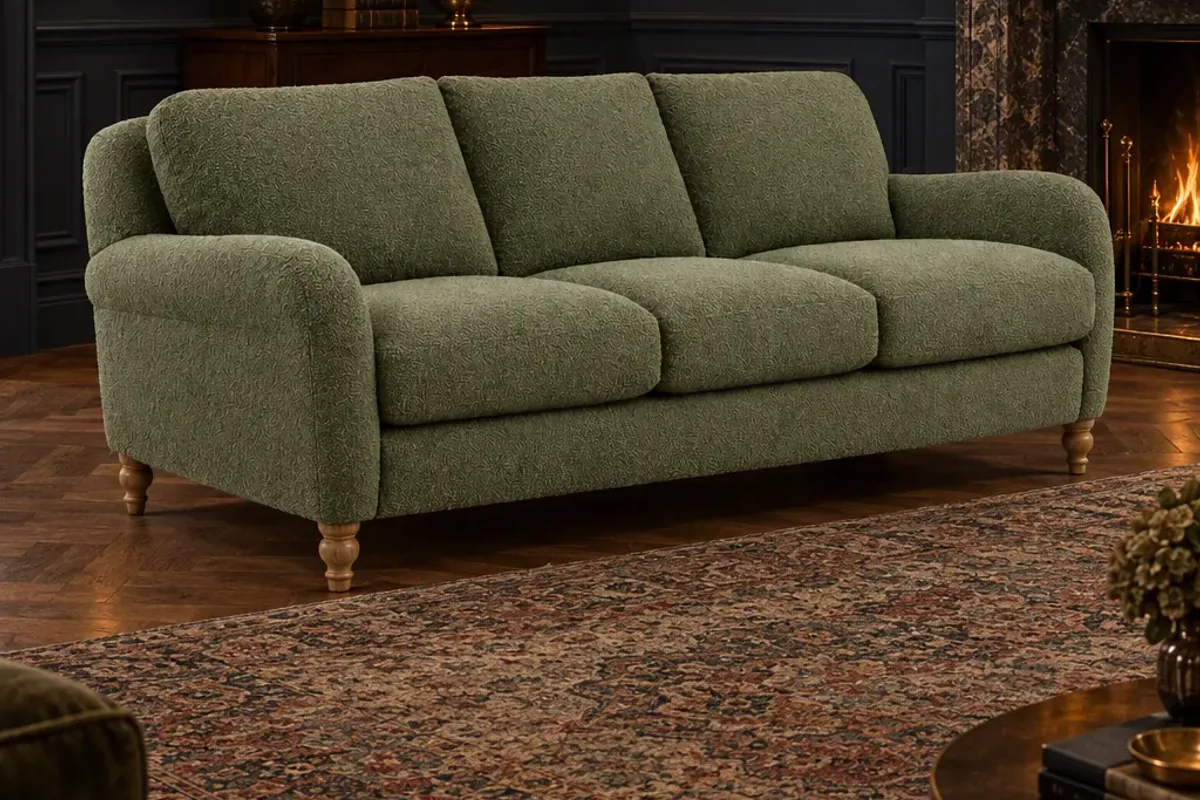
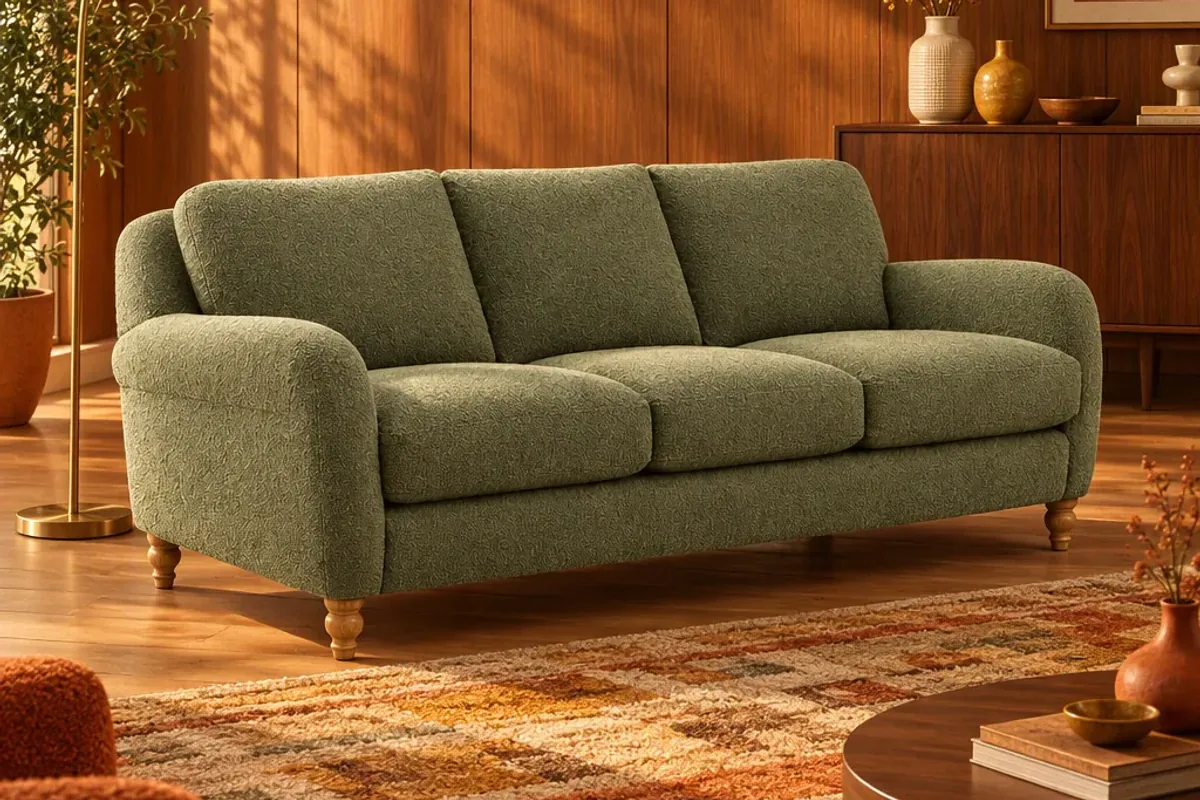
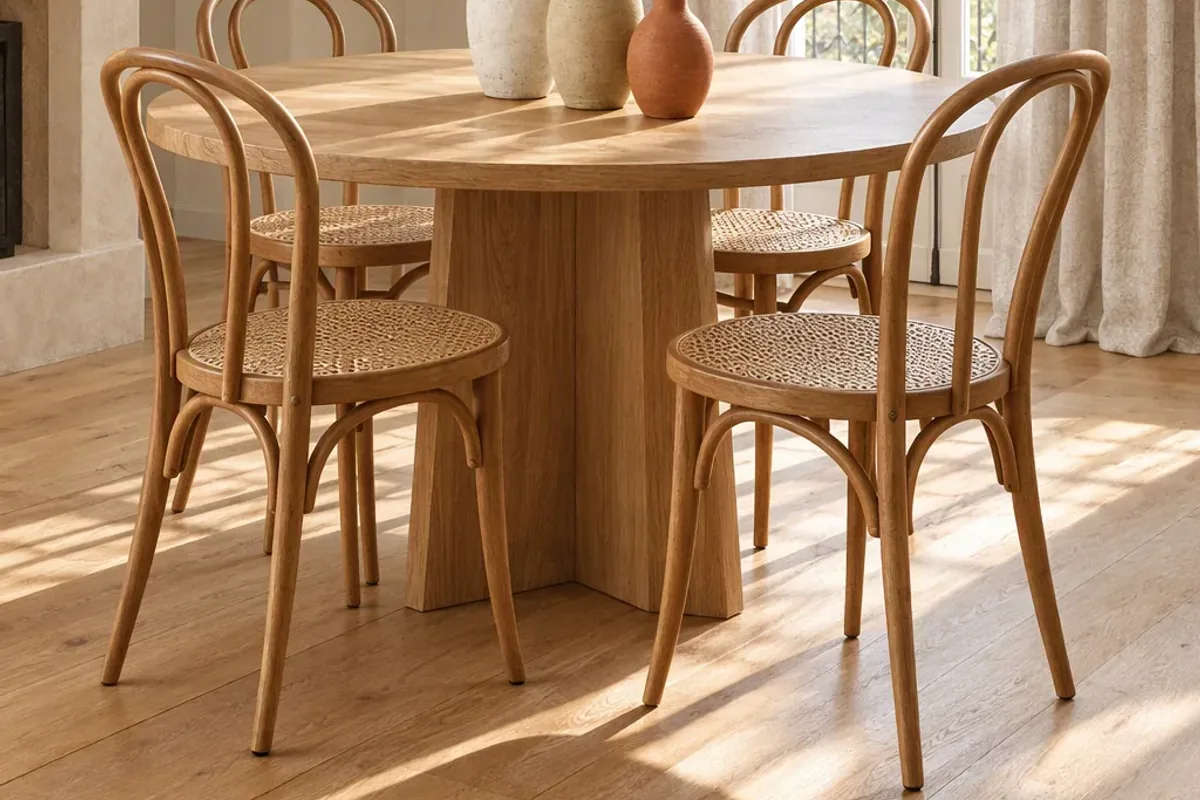
Good imagery travels with you to every channel. One set of room images and short videos can serve your store, your marketplace listings and your social feed. Start with lifestyle images without a photoshoot and product reels.
Put the guide into practice.
Stage your own products and make your first reel in Splatr.
7-day free trial.