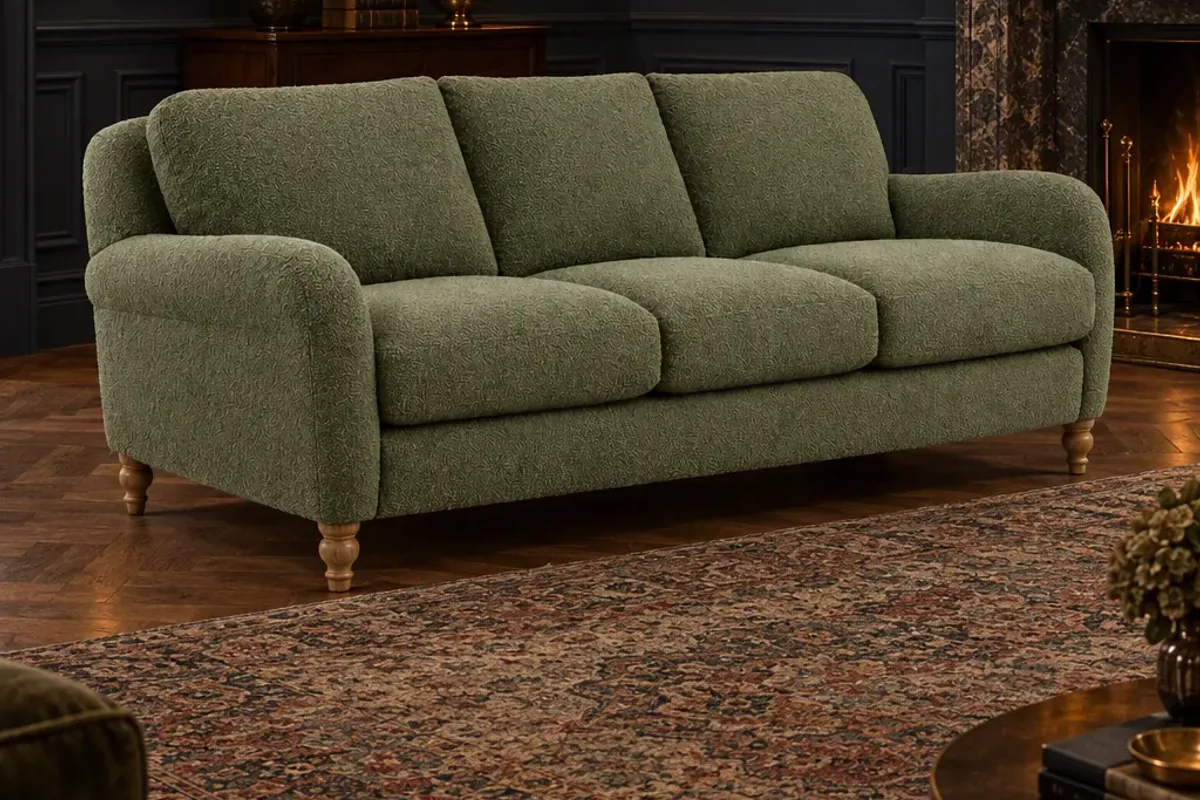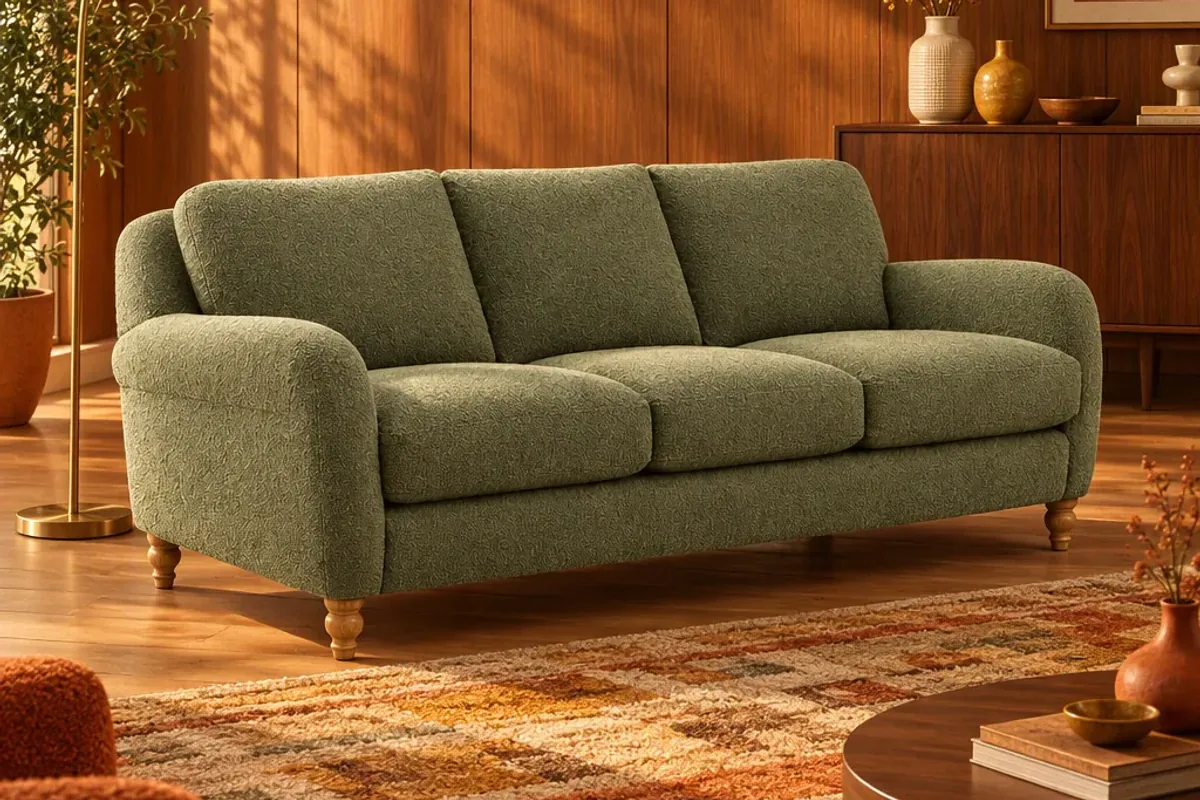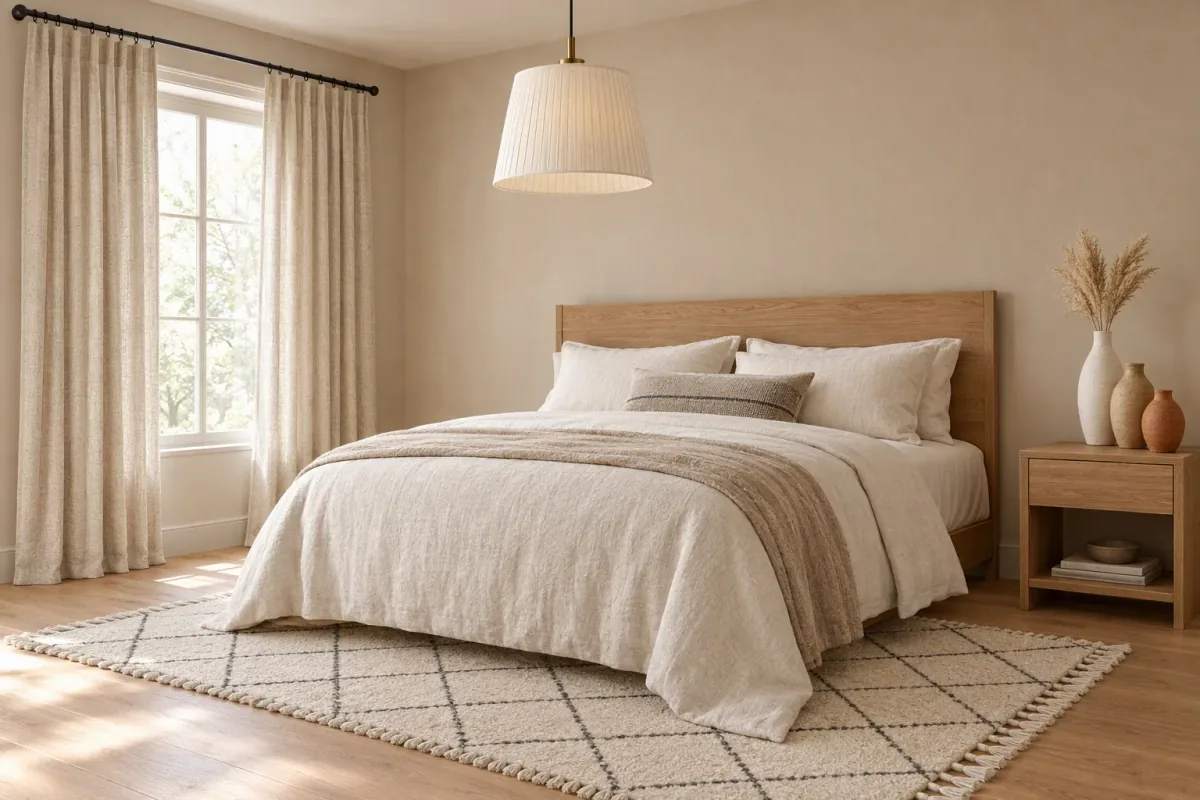
A shoppable room is a styled interior image where each product is tagged, so a shopper can go from “I love this room” to “I can buy that lamp” in one tap. It works because people shop for interiors by room, not by product. They collect ideas first, and the brands that appear in those ideas are the ones they buy from later.
Why do shoppers start with rooms?
Hardly anyone wakes up wanting a specific sideboard. They want their dining room to feel finished. So they browse and save pictures of rooms they like, on Pinterest, Instagram and design sites, long before they search for a product.
That saving stage is where taste is formed. If your product appears in a saved room, you are already part of the plan. If your product exists only as a cut-out on a category page, you are waiting to be found by a search that may never happen.
What makes a room image shoppable?
- Clear tags. Each product is marked and named, with a price.
- One step to detail. A tap shows the product and where to buy it.
- Everything is real. Every tagged item is something a shopper can actually order.
- A sensible number of products. Around four to six. More than that feels like an advert.
Pinterest popularised this with tagged pins, and retailers such as Wayfair now generate inspiration rooms that link to their catalogue. The idea is the same everywhere: the room does the selling, and the tag does the sending.
How does it work on Splatr?
On the Splatr marketplace, shoppers browse styled rooms for ideas and save the ones they like. One click shows what is in the room: each product with its name, store and price. From there they have two choices. They can open the product in its own store, or they can see it in a photo of their own room first.
That second step is what a normal inspiration feed lacks. The shopper stops admiring someone else’s home and starts picturing the product in theirs.
How do you plan a room that sells?
- Start with a hero. Choose one main product, usually the largest: the sofa, the bed or the dining table.
- Add what goes with it. A lamp, a rug, curtains and one or two decor pieces that suit it.
- Pick a clear style. A room that tries to be everything is saved by nobody.
- Keep it believable. Normal ceiling heights, real-looking light and a bit of life: a book, a throw, a plant.
- Leave space around the products, so tags do not cover them.
You do not need a location shoot for this. A set of staged images made from your product photos can serve as inspiration rooms. See lifestyle images without a photoshoot.
How does this raise order value?
A product page sells one thing. A room sells the combination. When a shopper sees your pendant above your table beside your curtains, buying all three feels like finishing a look, not adding extras.
It helps shoppers too. Choosing pieces that work together is the hard part of decorating, and a styled room has already done that job for them.
Where should you publish shoppable rooms?
- On your own site, as “shop the look” sections on product and category pages.
- On Pinterest and Instagram, with product tags where available.
- In email, with one room and its products per message.
- On marketplaces built around inspiration, where shoppers are in a browsing mood.
Use the same rooms in each place. A good room image is expensive to think up and cheap to reuse.
What should you track?
Saves come first. A saved room is a shopper telling you they are considering it. After that, look at clicks from a room to a product, and the number of items in orders that started from a room compared with orders that started from a single product page.
If rooms get saved but not clicked, the tags are probably hard to see. If they get clicked but not bought, look at the product page itself, starting with our furniture product page checklist.
Put the guide into practice.
Stage your own products and make your first reel in Splatr.
7-day free trial.