Furniture and home brands get recommended by ChatGPT and other AI assistants when their products are easy for a machine to read and are mentioned in places the assistant trusts. That comes down to complete product data, clear answers to real questions, and coverage beyond your own website. You cannot pay for a recommendation, but you can make your products much easier to recommend.
How do AI assistants choose products?
OpenAI explains in its help article on shopping results that a product appears when ChatGPT judges it relevant to what the person asked, taking their context into account. It also says product results are selected independently and are not ads.
In practice, an assistant builds its answer from structured product data, such as feeds and the data stores publish on their pages, and from what the wider web says: reviews, buying guides, comparison articles and forums. If it cannot find the facts about your sofa, it will recommend one it can describe.
Why do small brands get left out?
Three reasons come up again and again.
- Thin product pages. A name, a price and two lines of copy give an assistant nothing to match against “a compact sofa for a small flat”.
- Facts trapped in images. Dimensions shown only inside a picture, or details hidden behind tabs that never load as text, are easy to miss.
- No mentions elsewhere. If the only site that talks about your brand is your own, there is little to confirm you are a real, trusted option.
Large retailers often win here simply because their catalogues are complete and consistent.
What should every product page include?
Write for the question a shopper would ask out loud.
- Exact dimensions, including seat height and depth, and the packaged size.
- Materials and finishes in plain words.
- Who it suits: small spaces, families, renters, pets.
- Delivery time, assembly and returns terms.
- Price and stock that are always up to date.
- Reviews, with the detail customers mention most.
- Several images, each with a descriptive alt text.
Add structured data for products, so price, availability and ratings can be read directly. If you sell on Shopify, OpenAI notes that product data is already shared with ChatGPT through Shopify’s catalogue. Other merchants can apply to provide a product feed.
What content gets quoted?
Assistants favour pages that answer one question clearly. Short, direct guides do well: how to measure for a sofa, which rug size suits which room, how to choose curtain length. Put the answer in the first paragraph, use question headings and include a table where you are comparing options.
Be specific and honest. “Seats three adults and fits through a 76 cm doorway” is a fact an assistant can use. “Luxurious comfort for modern living” is not.
Where else should your products appear?
The more independent places describe your product consistently, the more confident an assistant can be. Aim for:
- Reviews on your own site and on independent platforms.
- Press and blog coverage, including small design publications.
- Marketplace and directory listings with the same names, prices and descriptions.
- Your social profiles, kept up to date.
Listing on the Splatr marketplace adds another structured, public page for each product, with its name, category and price, and a link back to your own product page.
How do visuals help?
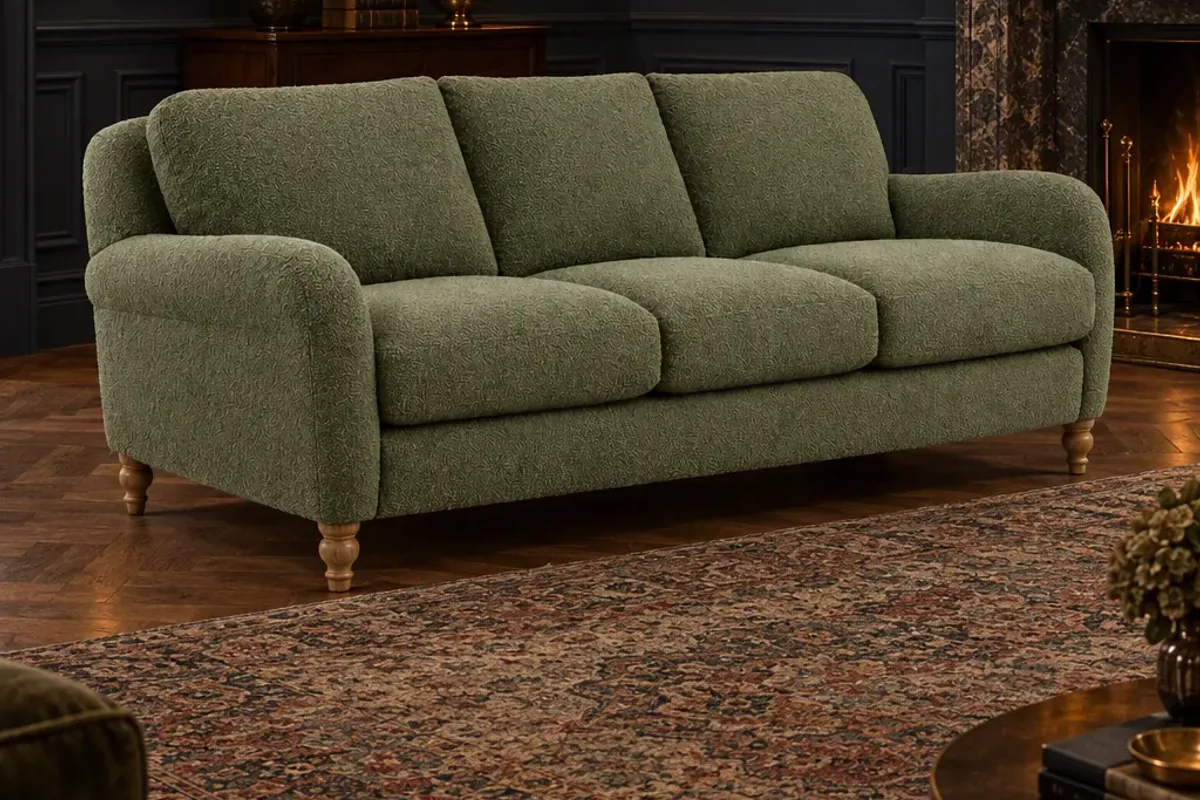
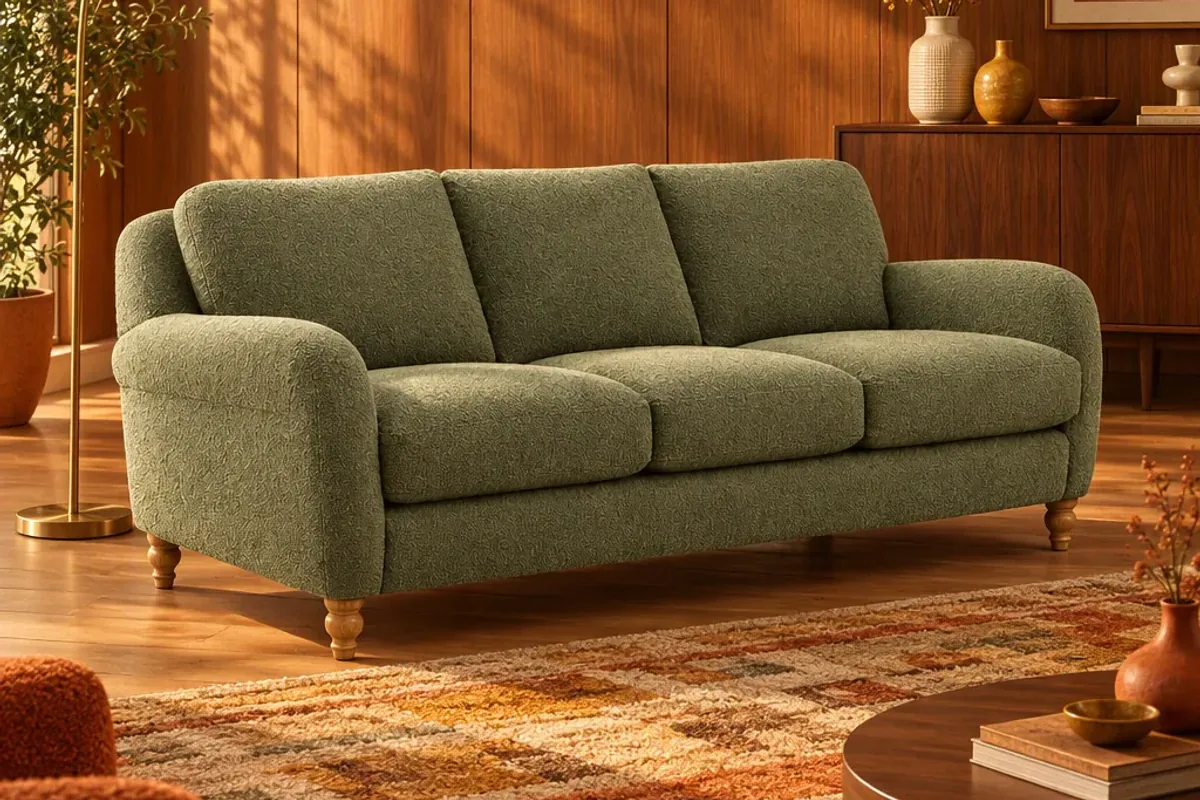
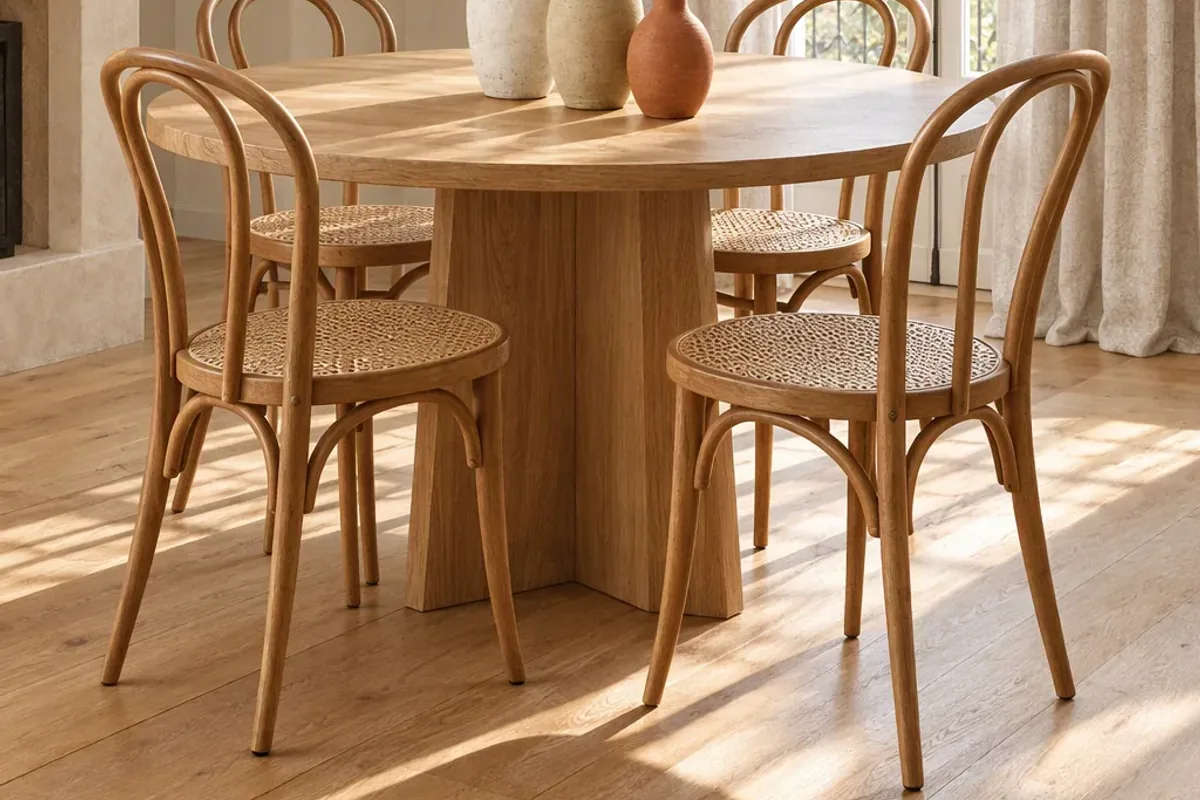
Assistants increasingly show images beside their answers, and shoppers click the one that looks right. A product photographed in a real-looking room, with sensible alt text, does more than a cut-out on white. If you lack room images, you can make them from one plain photo.
How can you check whether it is working?
Ask the assistants yourself. Once a month, try the questions your customers would ask: “best compact sofa under £1,500 in the UK”, or “where can I buy a pleated linen pendant light”. Note which brands appear and which sources are cited. Then improve the pages and listings that should have answered. Change takes weeks to show, so keep a simple log and be patient.
Much of this is the same work that makes a product page sell. See the furniture product page checklist.
Put the guide into practice.
Stage your own products and make your first reel in Splatr.
7-day free trial.