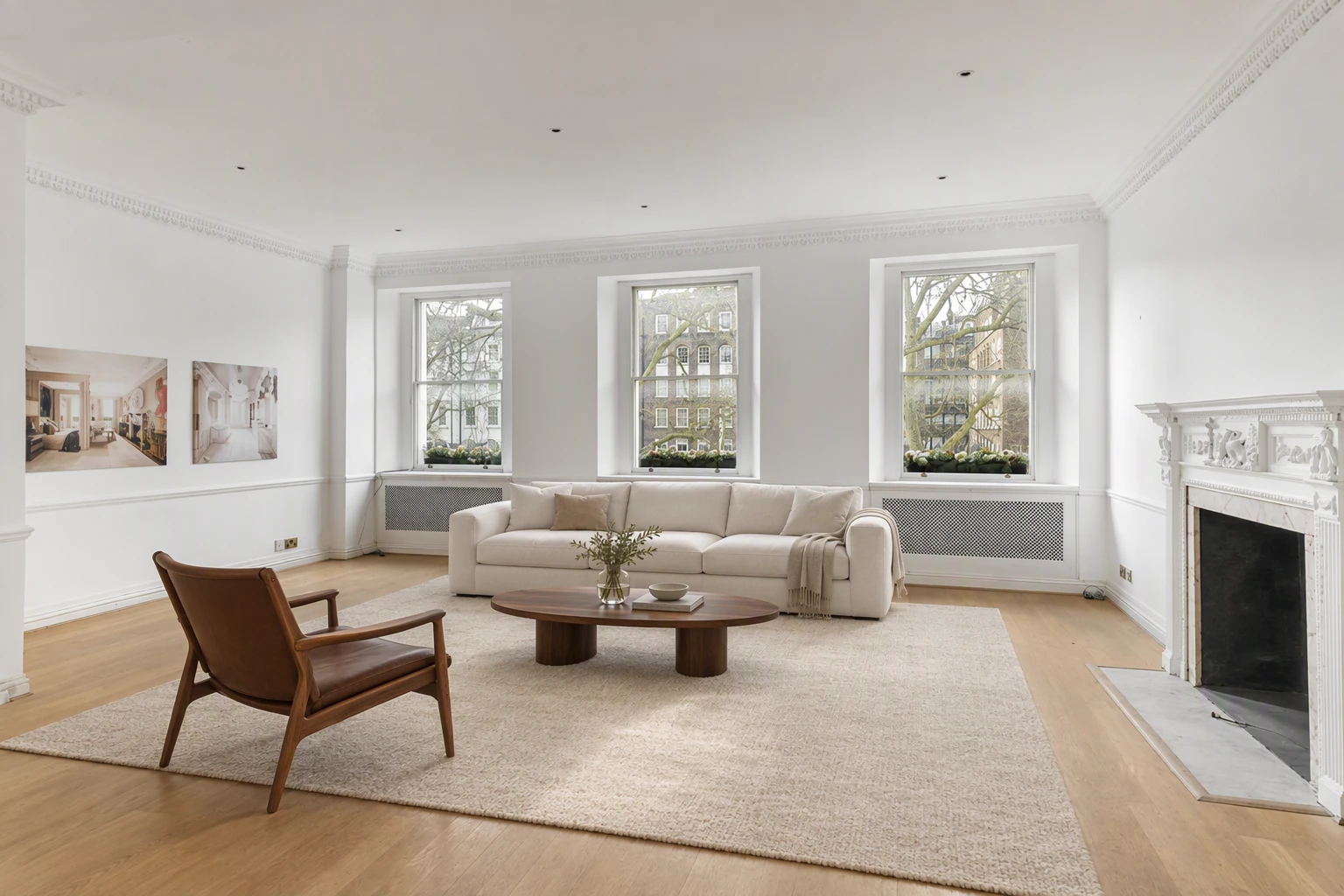
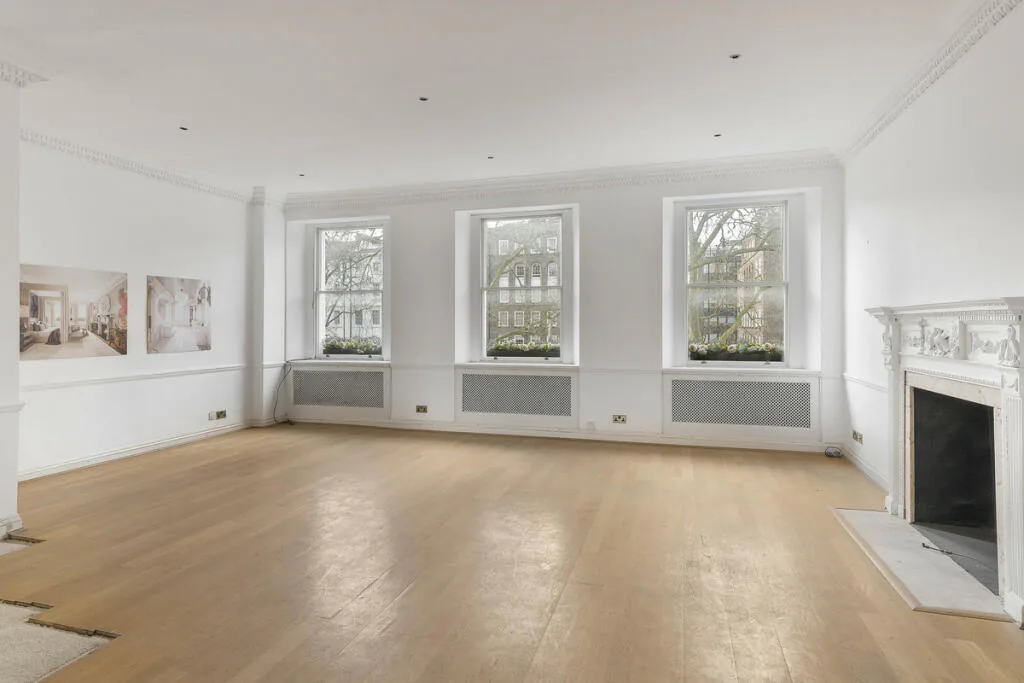
Virtual staging furnishes your listing photos digitally for a few dollars a photo, in minutes. Traditional staging puts real furniture in the property, with a median cost of $1,500 and a setup time of days or weeks. Virtual staging wins for online marketing and budget. Traditional staging wins for viewings and open houses, where buyers walk through the rooms themselves.
Side-by-side comparison
| Virtual staging | Traditional (physical) staging | |
|---|---|---|
| Typical cost | Under $1–$39 a photo | $1,500 median for a staging service (NAR 2025) |
| Ongoing cost | None | Furniture rent, often $500–$700 a room per month |
| Time to set up | Seconds (AI) to 48 hours (designer) | Days to a few weeks |
| What buyers see in photos | Furnished rooms | Furnished rooms |
| What buyers see at a viewing | Empty rooms | Furnished rooms |
| Change the style | Re-run it | New furniture delivery |
| Disclosure | Label required by many MLSs and in California | Not needed |
| Best for | Online listings, rentals, social content, off-plan | Luxury homes, open houses, in-person sales |
Costs come from NAR’s 2025 Profile of Home Staging, HomeAdvisor and Angi cost guides, and published virtual staging price lists. See virtual staging prices in detail.
Where virtual staging is stronger
Cost and scale. An agent with ten empty listings a year would spend over $15,000 on physical staging at the median. Virtual staging the same listings costs a small fraction, so it can be used on every property, not only the expensive ones.
Speed. AI staging returns a room in under a minute. A listing can go live the same day as the photo shoot.
Choice. You can show the same room in two or three styles for different buyers, or show a spare room as an office and a nursery. Physical staging gives you one look.
Content. Staged images feed straight into reels, a listing video and a 360° tour, which is where most buyers first meet a property.
Where traditional staging is stronger
The viewing. NAR found that 57% of buyers’ agents rated physical staging as important to their clients, while 38% said virtual staging was of less importance. Walking into a furnished home helps buyers judge scale and feel. Virtual staging cannot help once the buyer is in the room.
No disclosure. Real furniture needs no label. Virtually staged photos should always be marked, and buyers can feel let down if the rooms look very different in person.
High-end listings. For a luxury home, the open house and the photos both carry weight, and the staging budget is small next to the price.
Can you combine them?
Yes, and many agents do. A common approach:
- Physically stage the living room, the room buyers rate as most important, using a stager or the seller’s own furniture.
- Virtually stage the bedrooms, the dining area and awkward rooms.
- Use all of the staged photos in the video and social posts.
This keeps costs down while giving buyers a furnished first impression when they arrive.
How to decide for your listing
Ask three questions:
- Will most buyers decide from photos or in person? Online-first means virtual staging. In-person-first means physical staging for the key rooms.
- Is the property empty? Empty homes gain the most from either method. Well-furnished homes may only need decluttering and better photos.
- What is the budget? If the seller will not spend $1,500 or more, virtual staging is the realistic option and still far better than empty rooms.
Quick answers
Is virtual staging as good as real staging?
In photos and video, it can look just as good. At a viewing, it cannot replace real furniture.
Is virtual staging cheaper than home staging?
Yes. AI staging costs a few dollars per listing; a staging service had a $1,500 median in 2025.
Do I need to tell buyers a photo is virtually staged?
Yes. Label it clearly and keep the original photo available. Here is how.
Put the guide into practice.
Turn your own photos into edited images and videos in minutes.
7-day free trial.